
After spending more time in Heartopia, I realized that earning gold efficiently isn’t just about grinding hobbies—it’s about making smart decisions. What you sell, what you process, and what you keep for later can completely change how fast your money grows.
This guide focuses on strategy rather than repetition. Instead of doing everything, I’ll explain how I personally decide where my gold comes from and how I avoid wasting valuable resources.
Understanding How Selling Works in Heartopia
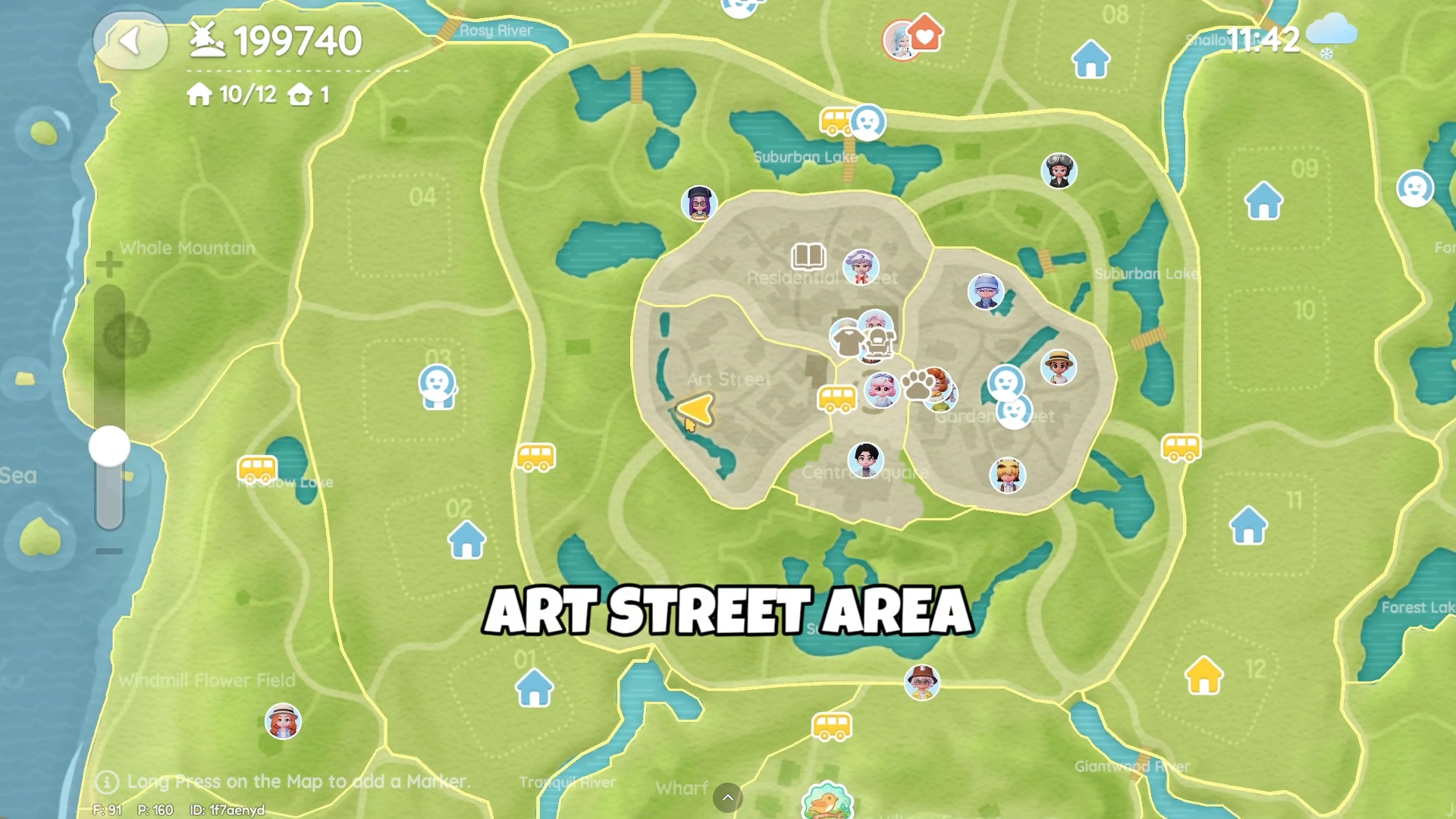
Unlike many farming or life-sim games, Heartopia doesn’t use a shipping box. To sell items, you must find Albert, who walks around the central island. The upside is that Albert will buy almost anything—furniture, food, forageables, decorations, and event items.
This flexibility makes inventory management extremely important. The key question is not “Can I sell this?” but “Should I sell this now?”
Active Income vs Passive Income
From my experience, Heartopia income falls into two categories:
- Active income – Activities you must actively play (fishing, cooking, foraging).
- Passive income – Rewards that happen over time (animal bonds, daily bonuses).
Balancing both is what keeps your gold growing without burning out.
Fishing Strategy: Quality Matters More Than Quantity
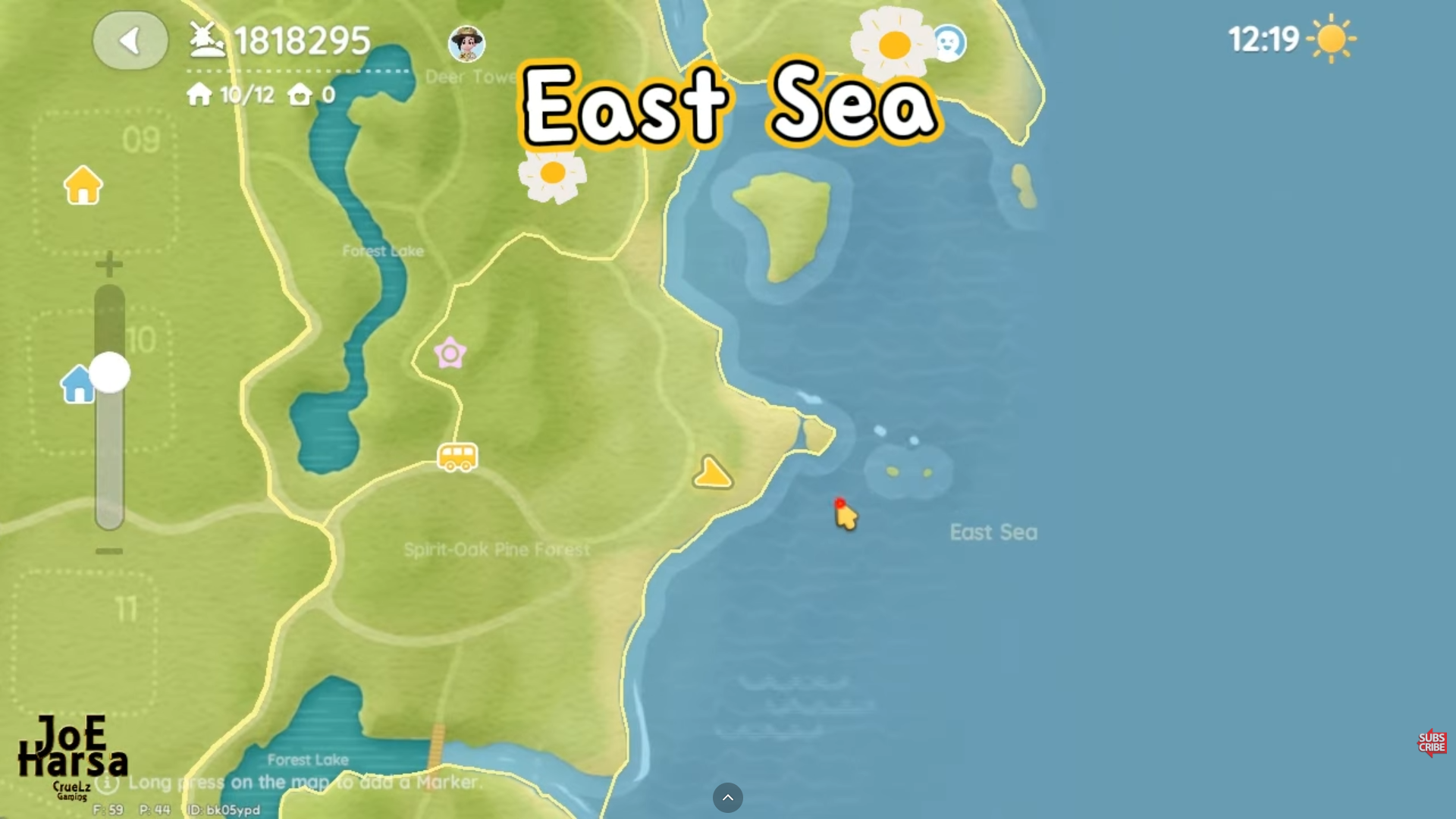
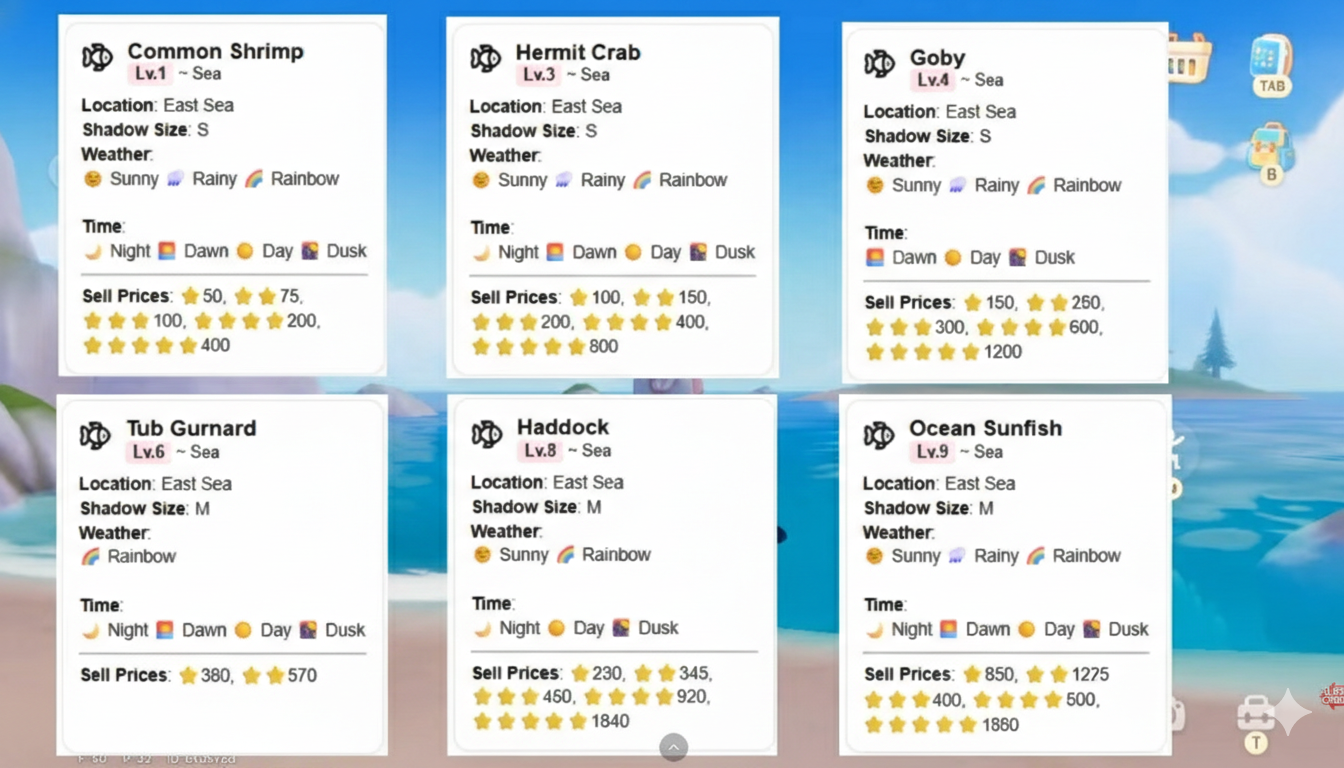
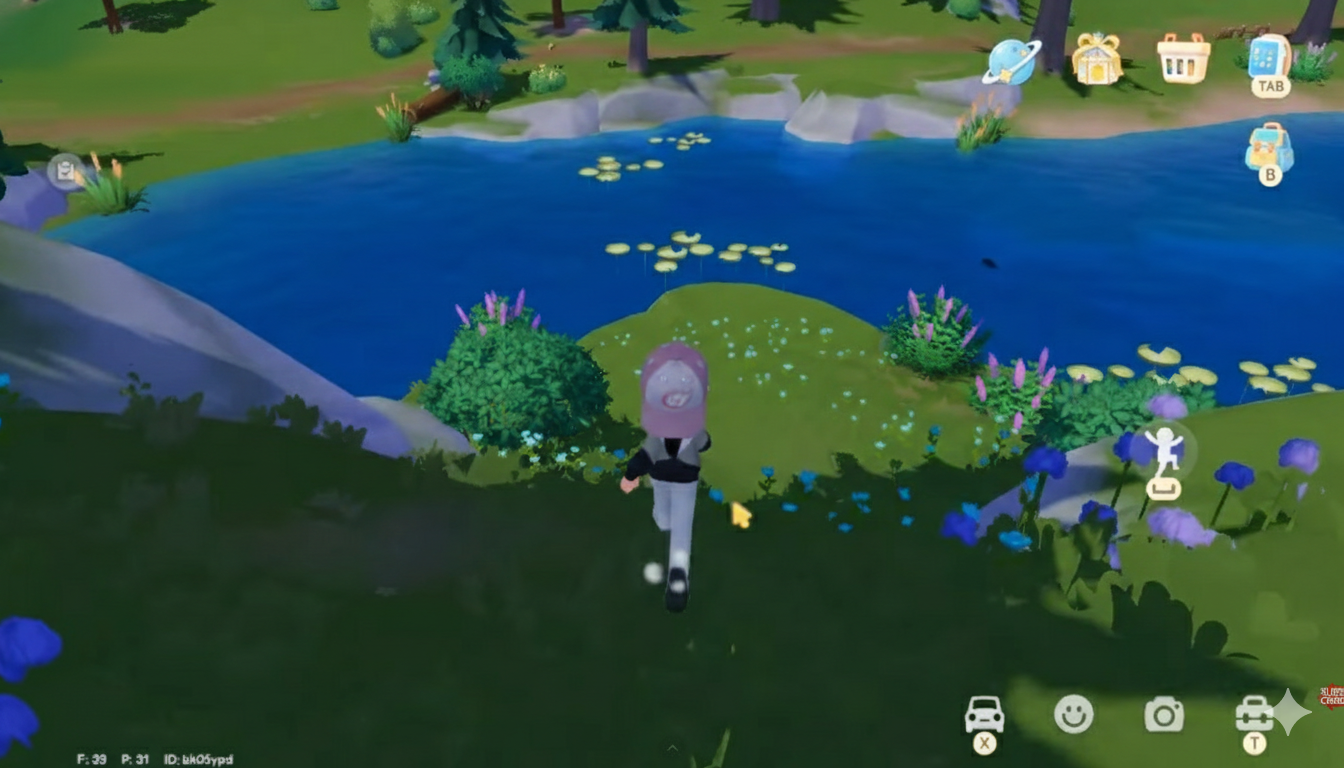
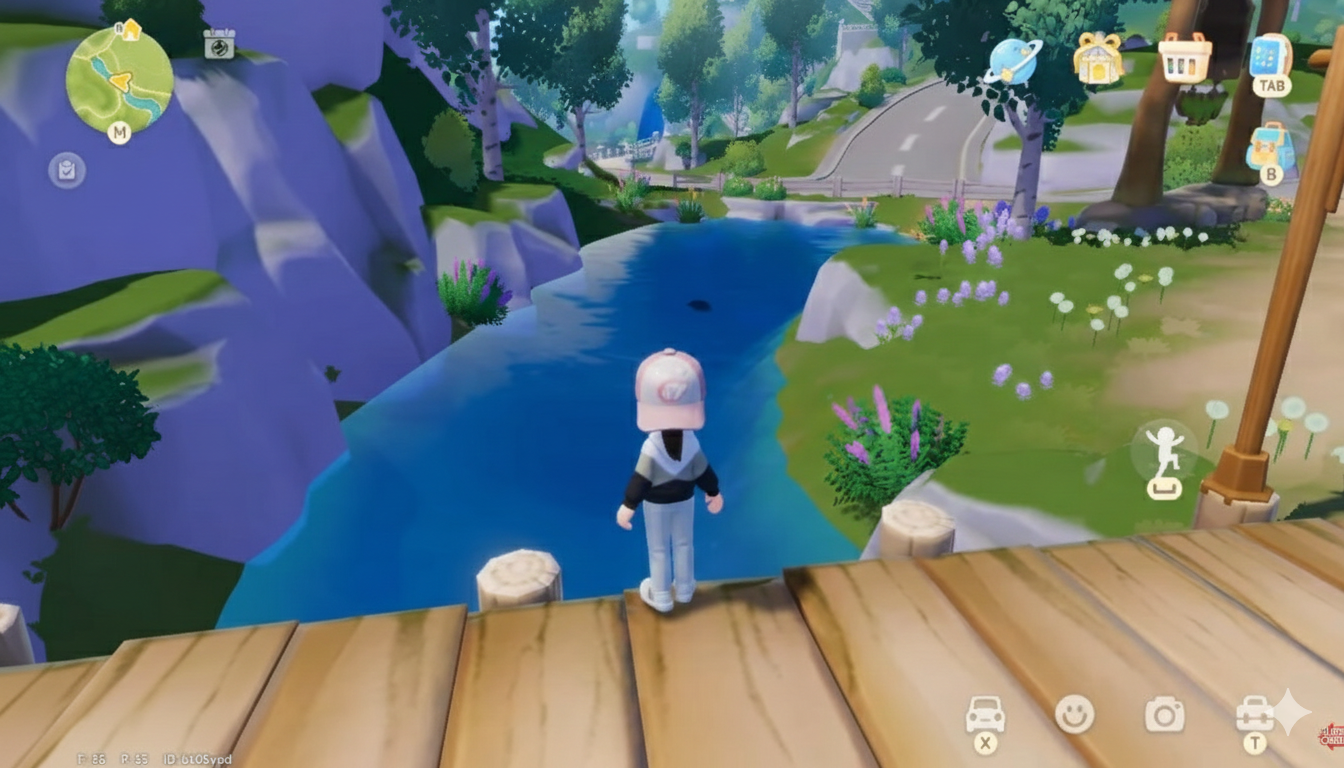
Fishing is available early and is one of the fastest ways to build starting gold. However, not all fish should be treated the same.
High-value fish (especially those with larger shadows or higher star ratings) are usually worth more when sold directly. Cooking them into basic dishes can actually reduce your profit.
Lower-value fish, on the other hand, are perfect for cooking recipes. This is where efficiency starts to matter more than raw effort.
Cooking Without Losing Money
Cooking is one of the most profitable systems in Heartopia—but only if done carefully. I learned early that cooking everything blindly leads to losses.
- Use low-value fish for cooking.
- Turn vegetables into dishes instead of selling them raw.
- Avoid using rare ingredients in low-priced recipes.
As your cooking skill increases, dish quality improves, which directly increases selling price. Using multiple stoves speeds this up, but only if you can manage them without burning food.
Mushroom Collection: High Reward, Low Cost
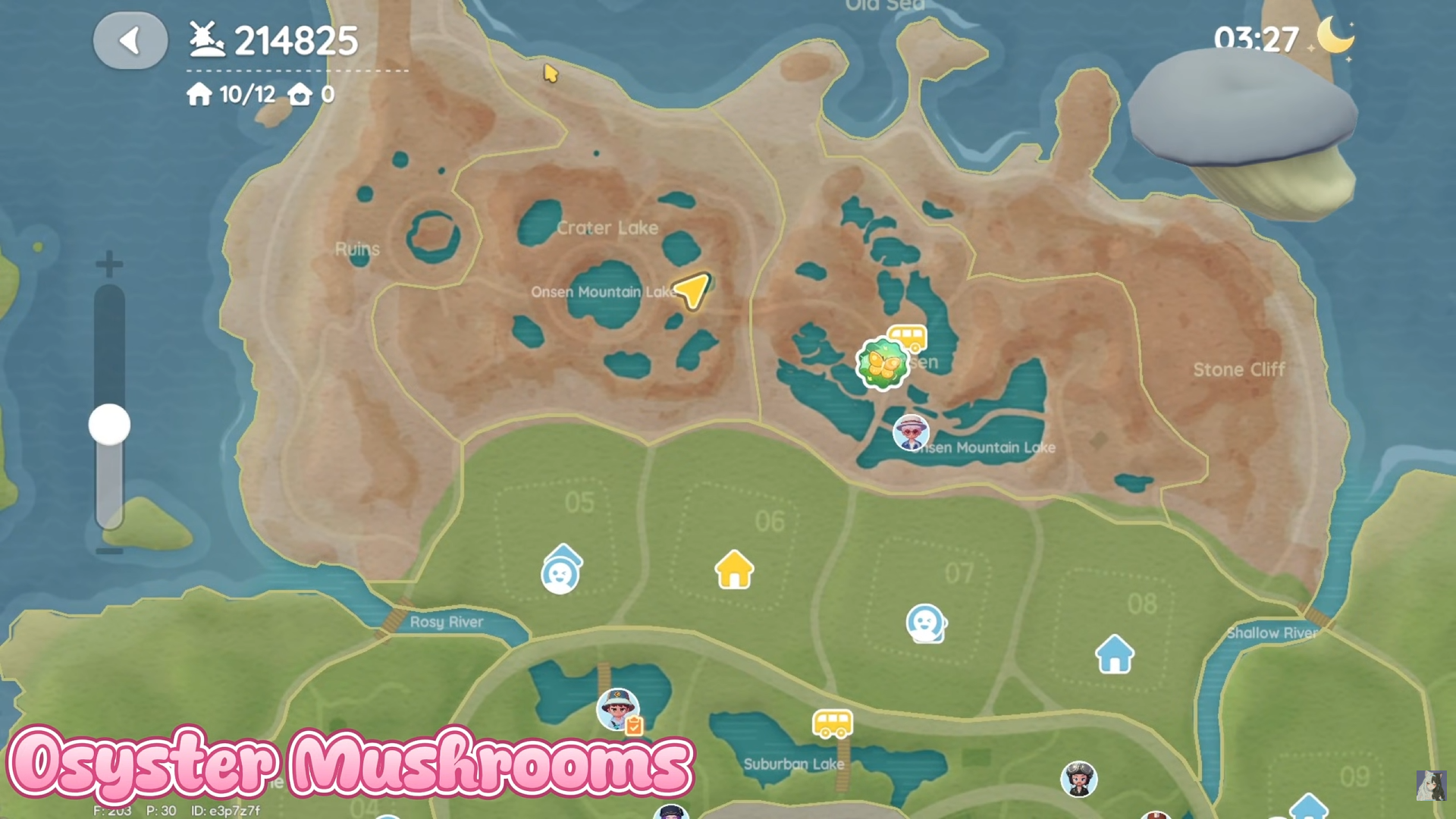
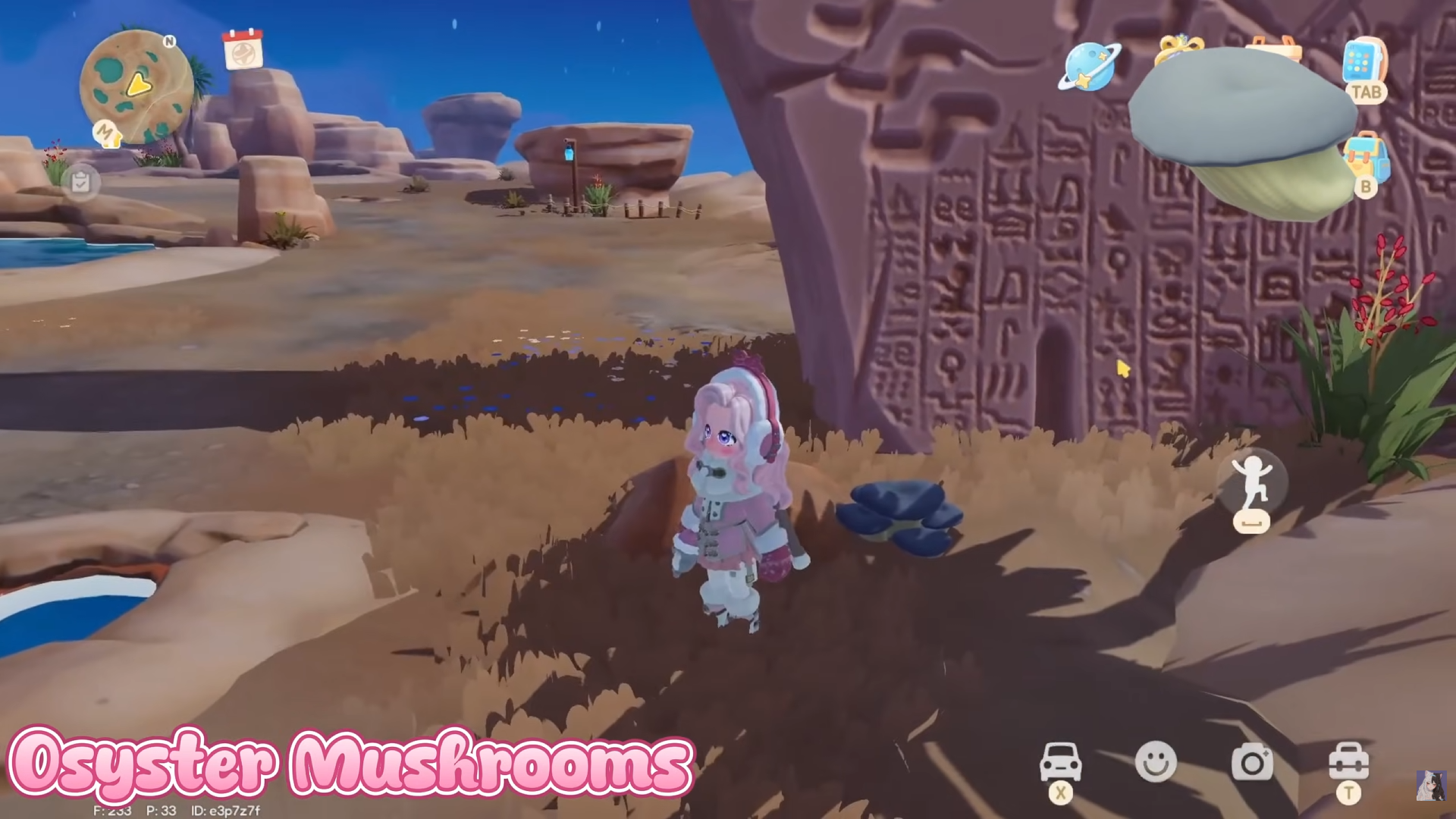
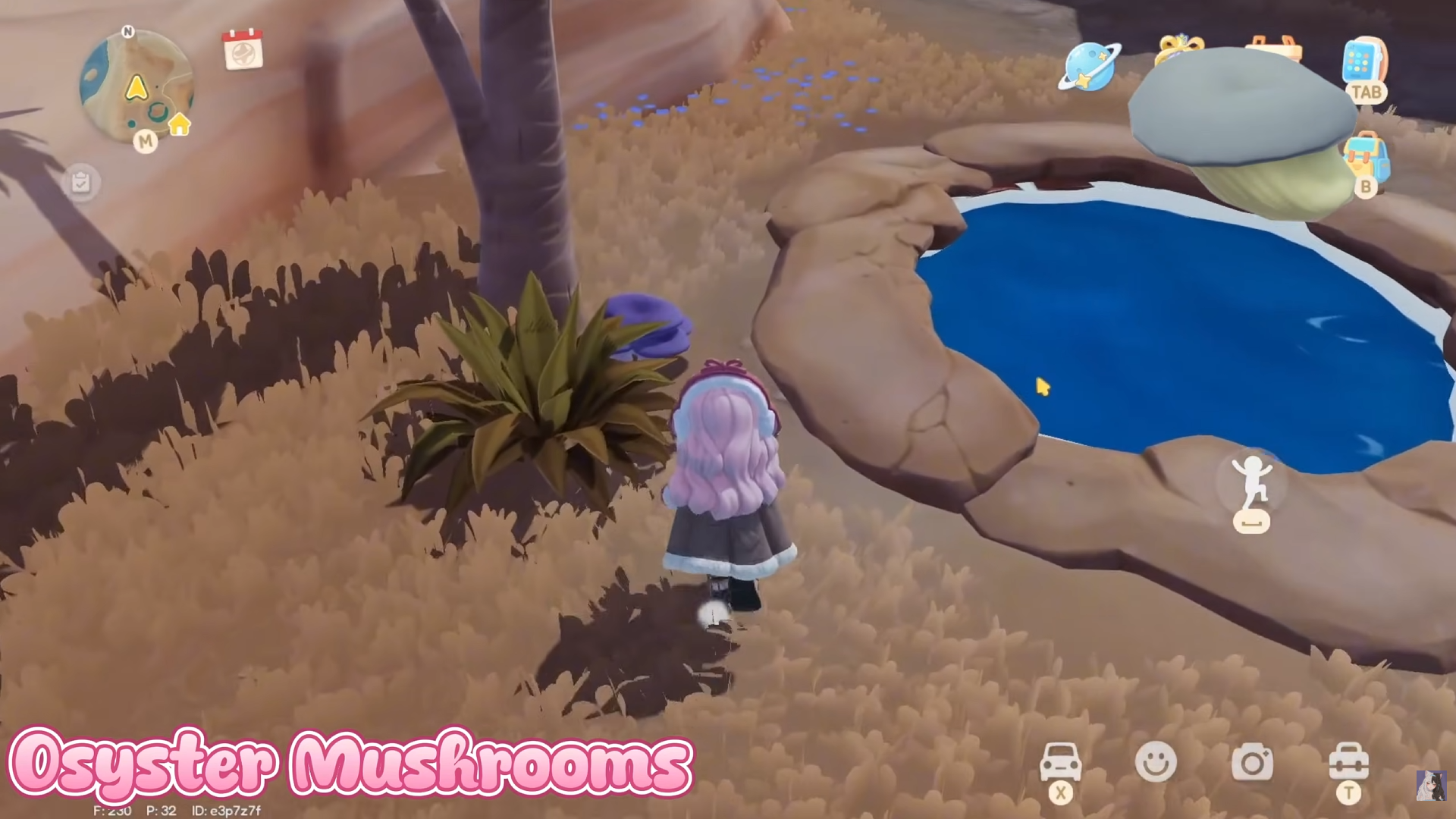
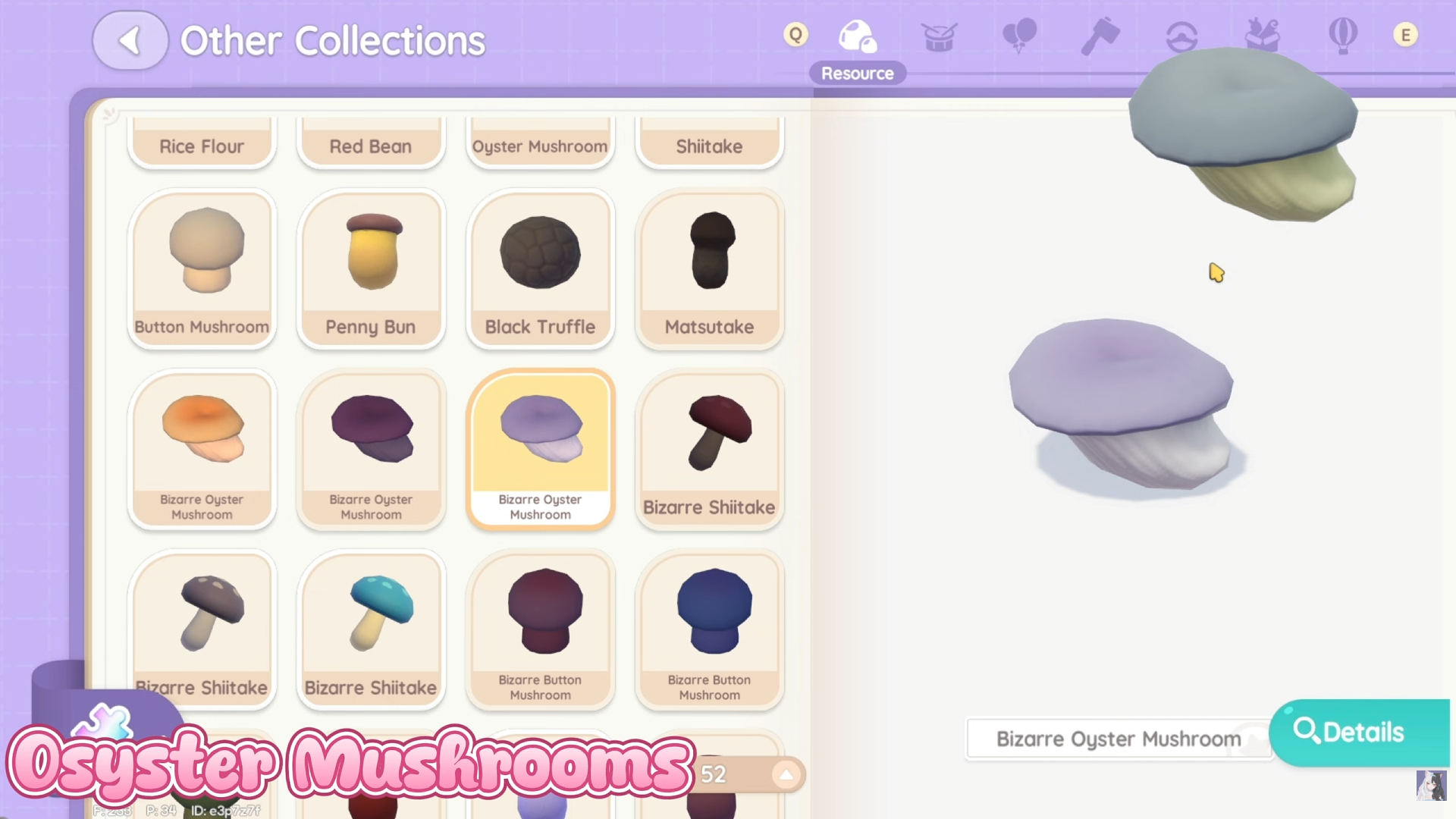
One of the most reliable mid-game income sources I’ve found is mushroom-based cooking. Mushrooms are easy to gather, cost no energy, and can be collected across several regions.
Grilled mushroom dishes require no special tools and allow ingredient mixing, which makes them forgiving and efficient. Even imperfect results still sell for gold.
Passive Income Through Animal Bonds
Passive income is often overlooked, but bonding with animals can quietly generate valuable items. Feeding animals their favorite foods increases bond levels, which improves gift chances.
Some of these gifts can be sold for a surprising amount of gold, making this a great background strategy while focusing on other activities.
What I Always Sell (And What I Keep)
Over time, I developed simple selling rules:
- Sell one-time-use items and duplicates.
- Sell furniture crafted from surplus materials.
- Keep cooking ingredients and rare crafting items.
- Only sell raw items if they outperform cooked versions.
Final Thoughts: Play Smart, Not Exhausted
Heartopia is designed to be relaxing. The most effective way to earn gold isn’t by forcing yourself to grind—but by understanding value, timing, and balance.
Once I stopped selling everything immediately and started thinking strategically, my gold increased naturally without stress. If you play smart, the money follows.